
5 Things to Consider Before Installing Metal Garage Cabinets
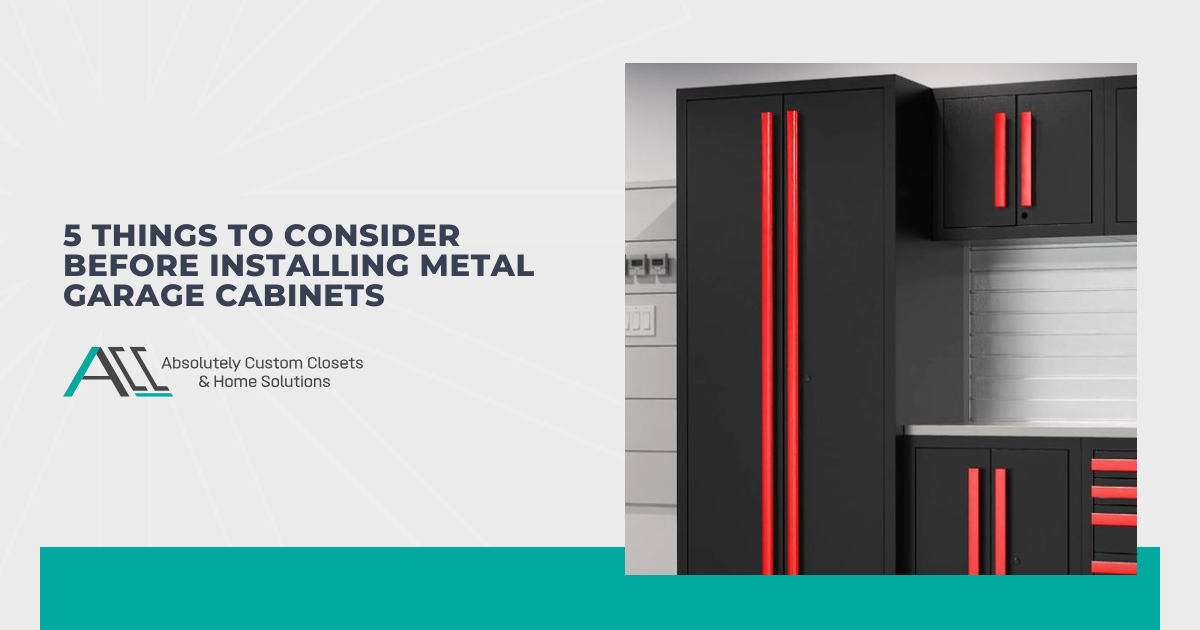
Metal garage cabinets are a great option when you want storage that looks clean, holds up to daily use, and keeps your garage organized. I’ve spent years designing and installing garage cabinets, and one thing I’ve learned is that the right setup can completely change how a garage functions. When cabinets are planned properly, they don’t just store items. They make the space easier and more enjoyable to use.
At the same time, metal garage cabinets aren’t something you want to install without a little planning. I’ve worked with homeowners who wished they had thought through a few details before making their choice. Things like what you plan to store, how your garage environment behaves, and how the layout flows all play a role in how satisfied you’ll be long term.
Below, I’ll walk you through five important things to consider before installing metal garage cabinets, based on real-world experience.
- Storage needs and intended use
- Garage environment and conditions
- Layout, space, and clearance planning
- Cabinet construction and finish quality
- Installation method and mounting requirements
Let’s break these down one by one so you can choose garage cabinets that truly fit your space and needs.
Storage Needs and Intended Use
Before choosing metal garage cabinets, it helps to think carefully about what you plan to store and how often you’ll access it. Tools, automotive supplies, lawn equipment, and household overflow all place different demands on cabinets. When storage needs are clear, garage cabinets can be sized and configured to support daily use instead of creating bottlenecks.
Weight is another factor that often gets overlooked. Heavier tools and equipment require cabinets built to handle consistent load without sagging or loosening over time. I always encourage homeowners to think beyond what they store today and consider what might be added later.
How you use your garage also matters just as much as what you store in it. A space used for projects, hobbies, or frequent access benefits from cabinet layouts that prioritize reach and visibility. Planning garage cabinets around real usage patterns helps the space feel organized and functional long-term.
Garage Environment and Conditions
Your garage environment has a direct impact on how metal garage cabinets perform over time. I often remind homeowners that temperature changes, humidity, and moisture exposure can wear on metal surfaces, even when cabinets are built to be durable. In areas with true seasonal swings, garages can shift from cold and dry to warm and damp over the course of the year.
Metal cabinets are generally a solid choice for these conditions, but the details still matter. Moisture from snow melt, road salt, or wet vehicles can collect along walls and floor-level surfaces. Over time, that exposure can affect finishes, hardware, and overall appearance. Choosing cabinets with corrosion-resistant coatings helps limit those risks.
Ventilation and day-to-day habits also play a role in how cabinets age. Garages that stay closed for long periods tend to trap moisture, especially during colder months. Thinking about airflow and how the space is used helps your garage cabinets stay in better shape long-term.
Layout, Space, and Clearance Planning
Garage layout plays a major role in how metal garage cabinets function once they’re installed. Wall space, ceiling height, and the placement of doors, windows, and outlets all affect where cabinets can realistically go. A setup that looks fine during planning can feel restrictive once doors and drawers are opened.
Clearance issues are one of the most common frustrations homeowners run into after garage cabinet installation. Cabinet doors need enough room to open fully, and drawers shouldn’t interfere with vehicles, workbenches, or walking paths. Accounting for these clearances early helps the garage stay comfortable and easy to navigate. It also limits the need for changes after cabinets are in place.
Everyday movement through the garage deserves just as much attention as measurements. Reaching for tools, opening storage, and pulling in a car should feel natural, not cramped or forced. From experience, planning around real movement patterns helps garage cabinets support how the space is actually used.
Cabinet Construction and Finish Quality
Not all metal garage cabinets are built the same, and construction quality makes a noticeable difference over time. Steel thickness, weld quality, and how doors and drawers are reinforced all affect how cabinets handle daily use. Cabinets that feel solid when opened and closed tend to perform better under regular weight and movement.
Finish quality matters just as much as the structure underneath. Powder-coated finishes help protect metal surfaces from scratches, moisture, and corrosion. In garages exposed to temperature swings, road salt, or damp conditions, that protective layer plays an important role in how cabinets age.
Projects tend to highlight these differences more clearly over time, and I’ve seen finish quality become the deciding factor between cabinets that still look clean years later and ones that wear prematurely. Paying attention to materials, coatings, and hardware helps avoid early repairs or replacement. Choosing garage cabinets built with durability in mind gives you confidence in how they’ll hold up.
Installation Method and Mounting Requirements
The way metal garage cabinets are supported matters just as much as the cabinets themselves. Weight, wall structure, and how the load is distributed all influence which installation approach makes sense. A setup that isn’t matched to the garage can lead to movement, noise, or stress on the walls over time.
Some garages benefit from wall-mounted cabinets to keep the floor clear, while others need floor-mounted or hybrid systems for added stability. Stud spacing, drywall condition, and concrete surfaces all factor into that decision, and skipping those checks can cause problems later. I’ve learned that choosing the right mounting method early prevents a lot of frustration after everything is installed.
Long-term performance often comes down to the details you don’t see once the cabinets are up. Secure anchoring, proper hardware, and balanced spacing help cabinets stay solid through daily use. When installation is planned with structure and load in mind, garage cabinets feel dependable instead of something you have to worry about.
Conclusion
Metal garage cabinets deliver the best results when they’re selected and installed with intention. Storage demands, garage conditions, layout flow, build quality, and mounting method all influence how cabinets function once they’re in daily use. Overlooking any of these areas can lead to wasted space, clearance problems, or cabinets that don’t hold up as expected. Taking the time to evaluate these factors upfront helps ensure your garage cabinets stay organized, durable, and practical for years to come.

QUICK LINKS
CONTACT INFO
Absolutely Custom Closets & Home Solutions LLC
7131 West Akron-Canfield Road Suite C, Canfield, OH 44406
Phone
SCHEDULE A CONSULTATION
Contact us, and we will come out and discuss your project free of charge.