
How Much Do Custom Closet Systems Actually Cost?
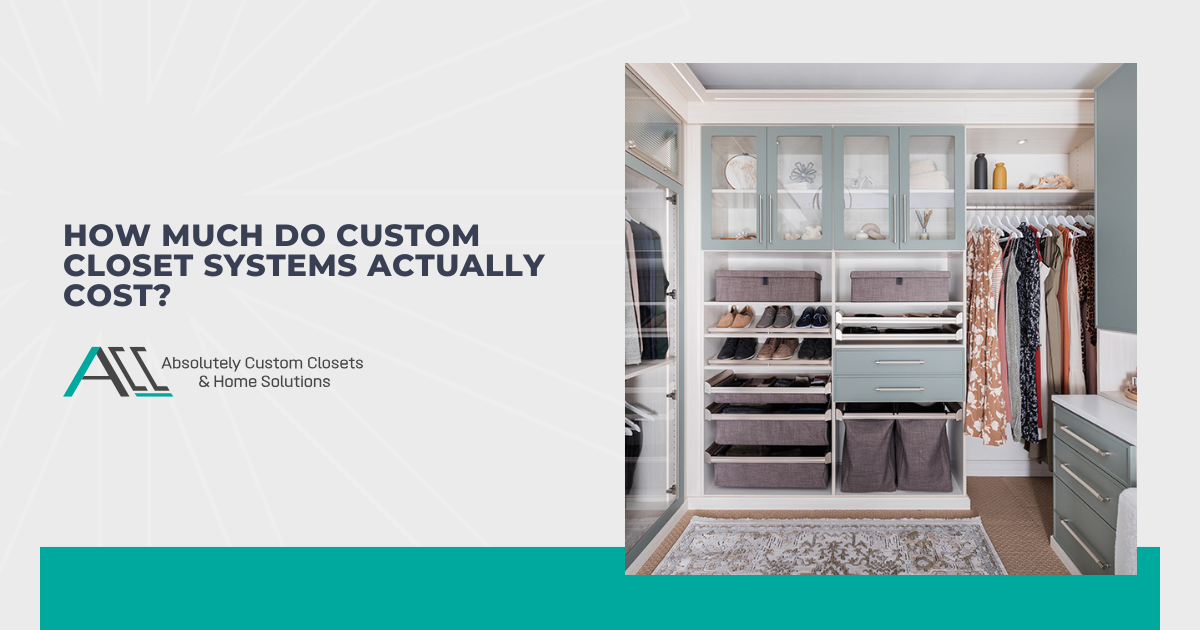
Custom closet systems are one of the most requested upgrades I hear about, and one of the first questions you probably have is about cost. I get it. When you start looking into options, the pricing can feel all over the place, which makes it hard to know what’s realistic for your space. That uncertainty can make it difficult to even know where to begin.
Many start out expecting a straightforward number, only to find that several factors influence the final price. Understanding these variables can make planning much easier and less overwhelming. This guide breaks down what actually drives the cost so you can make informed decisions with confidence. By the end, you’ll have a clearer idea of what fits your space and your budget.
Here are the key factors that influence the cost of custom closet systems:
- Closet size and layout complexity
- Material quality and system types
- Finish options and design details
- Level of customization
- Hardware and accessories
- Installation and labor costs
- Brand, designer, or contractor
- Add-ons that drive up price
- Ways to control costs
Keep reading and you’ll see how each of these shapes your overall investment and design choices. This will also help you prioritize what matters most in your project.
Closet Size and Layout Complexity
The size of your closet is usually the biggest factor in determining cost. A reach-in closet requires fewer materials and less labor than a walk-in, while larger layouts increase both design time and installation effort. Pricing is often tied to linear footage, even if that’s not always visible upfront. As the size increases, so does the overall scope of the project.
Layout complexity adds another layer to consider. Angled walls, tight corners, or unusual dimensions often require more precise work and custom components. I often point out that even small layout challenges can increase both material waste and labor time. Simpler layouts tend to keep both material and labor costs lower.
Material Quality and System Types
Materials can shift your budget significantly. The type you choose affects durability, appearance, and overall cost. Here’s a quick breakdown of common options. Each one offers a different balance between function and design.
- Wire Systems: These are the most affordable and are often used for simple, functional storage. I usually suggest these if keeping costs low is your top priority.
- Laminate Systems: These offer a balance between cost and visual appeal, making them one of the most popular choices. They’re durable enough for everyday use while still giving you a clean, finished look.
- Solid Wood Systems: These sit at the higher end and provide a more premium, built-in feel. I recommend these when long-term durability and appearance are both important.
Each option comes with trade-offs, so your choice should reflect how you want the space to look and function. A higher upfront investment can sometimes mean better longevity.
Finish Options and Design Details
Finishes also influence the final price. Certain upgrades can enhance the look of your closet while increasing the total cost. These details are often what give a closet a more customized feel. Choosing carefully can help you stay within budget.
- Wood Grain Textures: These create a more natural and elevated appearance that mimics real wood. They’re a good option if you want warmth without committing to solid wood pricing.
- Matte Finishes: These offer a modern, understated look that works well in contemporary spaces. They also tend to hide fingerprints and minor wear better than glossy surfaces.
- Glass Accents: These add visual interest and can make your closet feel more open and custom. They’re often used selectively to highlight specific sections without overwhelming the design.
Choosing a combination of finishes can help you create a polished result without overspending. Small upgrades in visible areas often make the biggest impact.
Level of Customization
Customization is where your closet starts to reflect your daily routine. Basic systems rely on adjustable shelves and standard layouts, while fully custom designs are tailored to how you use your space. The more specific the design, the more time and resources it requires. This level of detail often leads to a higher overall cost.
Features like dedicated shoe storage, jewelry drawers, and divided sections can quickly raise the cost. These additions can also make your space more functional and easier to use. When chosen carefully, they can improve how your closet works day to day. It helps to focus on what you’ll use consistently rather than adding every possible feature.
Hardware and Accessories
Accessories often seem small at first but can noticeably affect your total cost. These upgrades improve convenience and organization, but they can add up quickly. It helps to look at them individually before deciding what to include. Here are some of the most common options to consider:
- Soft-Close Drawers: These prevent slamming and create a smoother, quieter experience. I’ve seen how much of a difference this small upgrade can make in daily use.
- Pull-Out Hampers: These keep laundry hidden while making it easy to access. They’re convenient but require additional space and hardware.
- Specialty Racks: These include tie racks, belt organizers, and pull-out trays for accessories. They improve organization but can quickly add to the total cost when combined.
- LED Lighting: This enhances visibility and gives the closet a more refined, finished atmosphere. It’s especially helpful in areas that don’t receive much natural light.
Lighting is often one of the most noticeable upgrades once installed. A few well-chosen accessories can make a big difference without overwhelming your budget. Being selective helps you get the most value out of each addition. Prioritizing function keeps your design practical and efficient.
Installation and Labor Costs
Installation plays a major role in how your system performs over time. Professional installation ensures everything is properly aligned, secure, and built to last. A well-installed system is less likely to need adjustments or repairs later. This can save you time and additional costs down the line.
Labor costs vary depending on design complexity and location. More intricate systems or added features like lighting require additional time and expertise. This can increase the total cost beyond just materials alone. Factoring installation into your budget early helps avoid surprises.
Brand, Designer, or Contractor
The provider you choose will influence both cost and experience. Big-box options tend to be more budget-friendly, while semi-custom and high-end providers offer more flexibility and support. Each option comes with a different level of service and customization. Understanding these differences can help you choose what fits best.
Some providers include design services, warranties, and installation in their packages. That added support can lead to a smoother process and a more polished result. It can also reduce the stress of managing multiple parts of the project. It’s worth comparing not just the cost, but also the overall value.
Add-Ons That Drive Up Price
Certain features can quickly increase the total cost of your project. These upgrades often enhance both function and appearance, but they come at a higher price point. It helps to evaluate which ones truly fit your needs. Here are some of the most common add-ons:
- Closet Islands: These provide additional storage and surface space in larger closets. They also require more materials and floor space, which increases overall cost.
- Built-In Seating: These add comfort and functionality, especially in walk-in closets. They’re considered a luxury feature and can raise both material and labor costs.
- Glass-Front Cabinets: These create a more polished and high-end appearance. They also require more precise construction and higher-end materials.
- Integrated Lighting Systems: These elevate both function and ambiance within the closet. They often involve more complex installation, which adds to the total project cost.
These upgrades can be appealing, especially when designing a more personalized space. Still, they are not always necessary for a functional layout. Choosing selectively can help you stay within your budget. Planning ahead makes it easier to include the features that matter most.
Ways to Control Costs
There are practical ways to manage your budget without sacrificing quality. Small decisions throughout the process can make a noticeable difference in your total investment. I always encourage starting with a clear plan before choosing finishes or add-ons. That clarity makes it easier to stay focused on what matters most.
- Prioritize Your Must-Have Features: Start by identifying the elements you’ll use every day, such as hanging space or drawer storage. Focusing on daily use helps prevent overspending on features you don’t really need.
- Mix Materials and Finishes: Using premium materials in visible areas and more standard options elsewhere can balance cost and appearance. This approach allows you to achieve a polished look without overspending.
- Limit Accessories to What You’ll Use: It’s easy to add multiple accessories, but not all of them will be used regularly. Choosing only the most functional upgrades helps prevent your costs from adding up quickly.
- Keep the Layout Simple: Straightforward designs are typically more cost-effective because they require less customization and labor. I’ve seen simpler layouts perform just as well without the added expense.
- Consider Phasing Your Project: Completing your closet in stages allows you to spread out the investment over time. You can start with the essentials and add upgrades later as needed.
Being intentional with your choices can make a significant difference in your final cost. When your design aligns with how you actually use your space, every dollar works harder for you. A well-planned closet doesn’t have to be overbuilt to be effective. Keeping things focused often leads to the best results.
Conclusion
Planning a closet project gets easier once you understand what goes into the cost. There isn’t a single answer, but there is a clear way to approach it. The more you focus on how you use your space, the easier it becomes to make decisions that feel right. In the end, a well-planned closet should feel like a natural fit for your routine and your budget.

QUICK LINKS
CONTACT INFO
Absolutely Custom Closets & Home Solutions LLC
7131 West Akron-Canfield Road Suite C, Canfield, OH 44406
Phone
SCHEDULE A CONSULTATION
Contact us, and we will come out and discuss your project free of charge.