
How to Choose the Right Garage Slatwall Accessories for Your Space
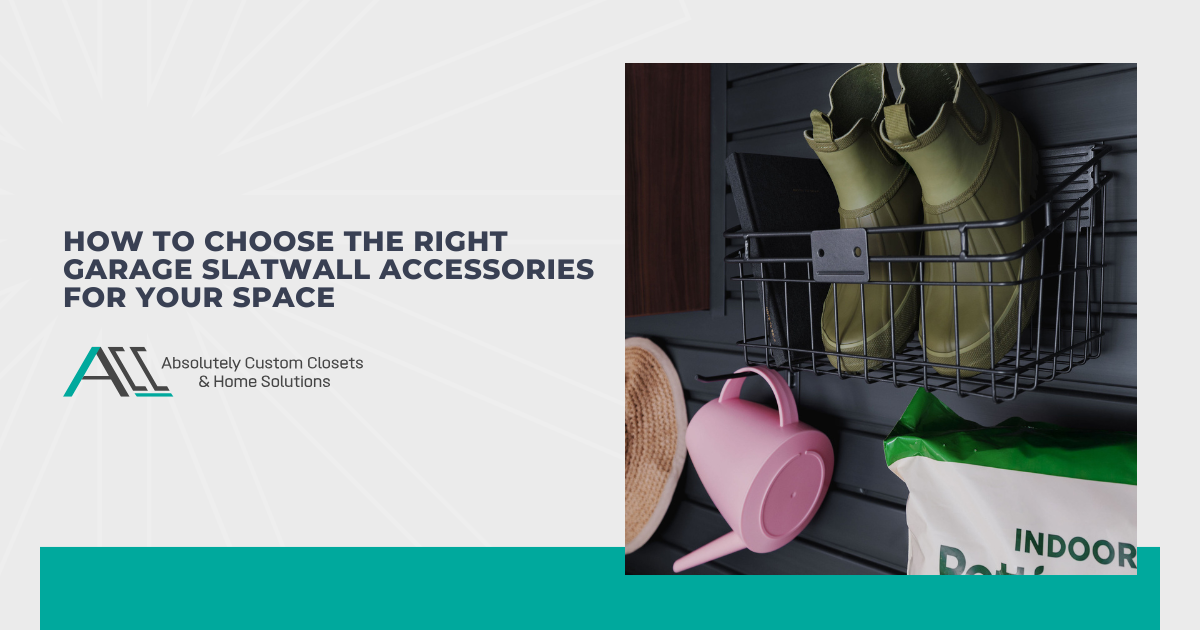
If you've installed garage slatwall, you already have a flexible storage foundation. The real value comes from choosing accessories that actually fit how you use your space. A wall full of empty hooks won't help if your garage is packed with sports gear, bulk supplies, and tools of every size. Picking the right combination takes planning before you start buying.
I've seen plenty of garages where the slatwall itself looks great but the accessories don't match the owner's actual needs. Some hooks sit unused while bins overflow onto the floor. Others load up on shelving when a few well-placed hooks would work better. Strategy upfront saves you from wasted panel space and mismatched purchases.
These tips will help you choose the right garage slatwall accessories for your space:
- Assess what you need to store before you shop
- Choose hooks and hangers for frequently used tools
- Pick bins and baskets for small or loose items
- Add shelving for bulkier or less-used supplies
- Consider material and durability for your garage environment
- Check weight capacity and panel spacing before buying
- Plan accessory placement around your garage's traffic flow
Keep going to see how these tips can turn your garage slatwall into a setup that actually works for you.
Assess What You Need to Store Before You Shop
Before you add a single accessory to your garage slatwall, take stock of everything you actually need to store. Walk through your garage and list out categories like tools, sports equipment, seasonal decorations, and bulk household supplies. This step matters more than it seems, since accessories bought on impulse often end up mismatched to your real storage needs.
Think about how often you use each item and how much space it takes up. A rarely used camping tent needs different storage than a hammer you reach for weekly. Grouping items by frequency of use and size helps you figure out which accessory types will actually solve your storage problems instead of just filling wall space.
It also helps to consider how your storage needs might change. If you're planning to take up a new hobby or expect to store seasonal items like holiday decorations, factor that into your assessment now. Buying accessories that flex with changing needs saves you from having to reconfigure your slatwall setup down the road.
Once you have a clear picture of what you're storing, you're ready to match those needs to specific accessories. This foundational step sets up every other decision you'll make about your garage slatwall system, so it's worth taking the time to get it right. Skipping this step often leads to a wall full of hooks and bins that don't solve your organization problems, so it's worth taking a few extra minutes now to avoid returning accessories or reworking your setup later.
Choose Hooks and Hangers for Frequently Used Tools
Hooks and hangers work best for tools and equipment you reach for on a regular basis. Rakes, shovels, brooms, and extension cords all benefit from single or double-prong hooks that keep them visible and within arm's reach. The goal is quick access, so place these accessories at a height that lets you grab and return items without much effort.
Different tools call for different hook styles. A single hook works well for items with a built-in handle loop, like a broom or dustpan. Double hooks or curved hangers suit bulkier items like coiled hoses or bikes, since they distribute weight across a wider surface and prevent the item from slipping off.
I've found that specialty hangers make the biggest difference for tools with unusual shapes. Power tools, ladders, and even folding chairs often have dedicated slatwall attachments designed to hold their specific form securely. Choosing the right style for each tool keeps your storage system functional instead of just decorative.
Once your most-used tools have a designated hook or hanger, your garage becomes easier to navigate. You'll spend less time searching for items and more time getting tasks done, since everything has a clear, accessible spot on the wall. This efficiency is exactly what a well-organized slatwall system should deliver, and it's the difference between a garage that works for you and one that just holds clutter.
Pick Bins and Baskets for Small or Loose Items
Bins and baskets solve a problem hooks can't handle: loose items that don't have a natural hanging point. Screws, nails, gardening gloves, spray bottles, and other small essentials tend to pile up on shelves or workbenches without a designated home. Slatwall baskets give these items a contained spot that keeps clutter off your work surfaces.
Wire baskets work particularly well for items that need airflow, like damp gloves or cleaning rags. Solid bins suit smaller parts that could slip through wire gaps, such as screws, nails, or small hardware. Matching the basket style to the item type keeps everything secure and easy to find. Getting this pairing right also makes cleanup faster, since you'll always know exactly where each item belongs.
Size matters just as much as style when choosing bins and baskets. A basket that's too small forces you to overfill it, while one that's too large wastes valuable panel space. Consider how many items you're storing in each category and choose a size that fits without excess room. Measuring your items before you shop can help you avoid guessing and ending up with the wrong fit.
Bins and baskets fill the gaps that hooks leave behind, giving every loose item a place to belong. This combination of hanging and contained storage creates a more complete system for your garage slatwall. Together, they help you avoid the cluttered workbenches and overflowing shelves that make a garage feel disorganized.
Add Shelving for Bulkier or Less-Used Supplies
Shelving attachments give you a flat surface for items that don't hang or fit neatly into a bin. Paint cans, bulk cleaning supplies, and boxed hardware all do better on a shelf than dangling from a hook. This accessory type works especially well for anything you don't need to access every day.
Depth matters more than most people expect when selecting slatwall shelves. In my experience, a shallow shelf works fine for smaller containers, but bulkier items like storage totes need a deeper surface to sit securely. Measure your typical items before choosing a shelf size, since a mismatch can leave things teetering on the edge or wasting unused space.
Reserve shelving for the upper or lower sections of the slatwall, away from prime eye-level real estate. This placement keeps frequently used hooks and baskets within easy reach while still making room for bulkier items. Shelves also work well for grouping similar supplies together, like all your automotive fluids or seasonal gardening products.
Shelving rounds out your garage slatwall system by handling what hooks and bins can't. It gives bulkier or less-used items a stable, dedicated spot without cluttering your most accessible panel space. This balance between accessibility and storage capacity keeps your entire setup functional.
Consider Material and Durability for Your Garage Environment
Garage slatwall accessories come in metal, plastic, and composite materials, each suited to different conditions. Metal accessories tend to hold up well under heavy loads and offer a sturdy, long-lasting option for tools and equipment. Plastic and composite options work well for lighter items and often cost less, making them a practical choice for bins and baskets.
Your garage's climate plays a big role in which material makes sense. An unheated garage that swings between hot summers and cold winters can cause certain plastics to become brittle over time, while metal accessories with a rust-resistant coating hold up better against humidity and temperature changes. If your garage tends to stay damp, look for accessories specifically treated to resist corrosion.
Sun exposure matters too, especially near garage doors or windows where accessories might sit in direct light for hours each day. UV rays can cause some plastics to fade or weaken faster than expected, so choosing UV-stable materials for those spots helps accessories last longer. Metal generally holds up better in sun-exposed areas, though it can get hot to the touch in peak summer conditions.
Choosing the right material for your garage's specific conditions helps your accessories last longer and perform better. This consideration pays off in the long run, saving you from replacing worn-out hooks, bins, or shelves sooner than necessary. Taking time to research your climate and exposure levels goes a long way toward a durable setup.
Check Weight Capacity and Panel Spacing Before Buying
Every slatwall accessory comes with a weight rating, and matching that rating to what you're storing keeps your setup safe. A hook rated for five pounds won't hold up under a heavy tool bag, no matter how secure it looks when empty. Checking the manufacturer's weight limit before you buy prevents accessories from failing once they're loaded up.
Panel groove spacing is just as important as weight capacity, since accessories need to fit your specific slatwall system to lock in securely. I always recommend measuring the groove spacing on your panels before ordering accessories, especially if you're mixing brands or adding to an existing setup. A mismatch in groove spacing can cause hooks and brackets to sit loosely or not fit at all.
Heavier items, like a full toolbox or a stack of bins, need accessories built to distribute weight across multiple grooves rather than relying on a single point of contact. Look for brackets or shelf supports designed for higher weight capacities if you're planning to store anything substantial. Overloading a single hook or bracket increases the risk of it pulling away from the wall over time.
Taking weight capacity and panel spacing seriously protects both your accessories and everything you're storing on them. This step prevents accidents and extends the life of your entire garage slatwall system. A quick check before buying saves you from costly replacements or damaged items down the road.
Plan Accessory Placement Around Your Garage's Traffic Flow
Where you place accessories on your garage slatwall matters as much as which accessories you choose. High-traffic zones near the door or workbench call for items you use daily, positioned at a height that's easy to reach without bending or stretching. Placing frequently used tools in these prime spots keeps your workflow smooth and prevents unnecessary backtracking.
Walkway clearance deserves attention too, especially in garages that double as parking spaces. Accessories that jut out too far into a walking path can create tripping hazards or make it harder to move around parked vehicles. Leaving enough clearance around doors, walkways, and vehicle access points keeps your garage both organized and safe to navigate.
Grouping accessories by activity zone also improves how your slatwall functions day to day. Keep gardening tools near the door that leads to your yard, and position automotive supplies close to where you park. This kind of zoning cuts down on the time you spend walking back and forth to gather items for a specific task.
Smart placement turns a collection of accessories into a system that matches how you actually move through your garage. Every hook, bin, and shelf works better when it's positioned with your daily habits in mind. This final step ties together everything else you've considered when choosing garage slatwall accessories.
Conclusion
Your garage slatwall can only work as hard as the accessories you put on it. When every hook, bin, and shelf matches your actual storage needs, the wall stops being a decoration and starts functioning as a real system. Take the time to think through what you're storing, how you use each item, and where it makes sense to place it. The payoff shows up every time you walk into a garage that's finally organized and easy to use.

QUICK LINKS
CONTACT INFO
Absolutely Custom Closets & Home Solutions LLC
7131 West Akron-Canfield Road Suite C, Canfield, OH 44406
Phone
SCHEDULE A CONSULTATION
Contact us, and we will come out and discuss your project free of charge.